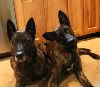
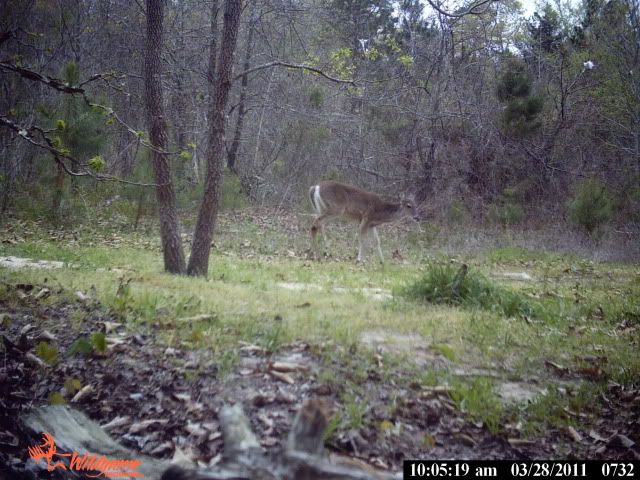
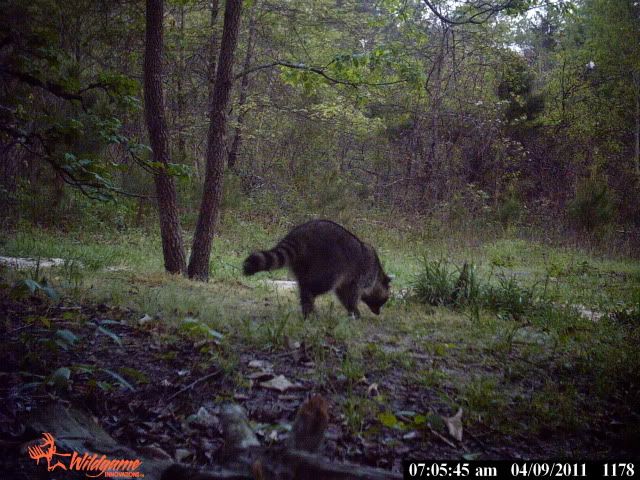
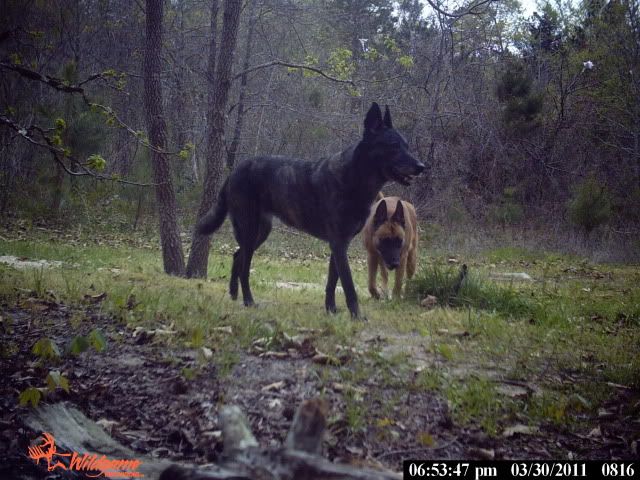
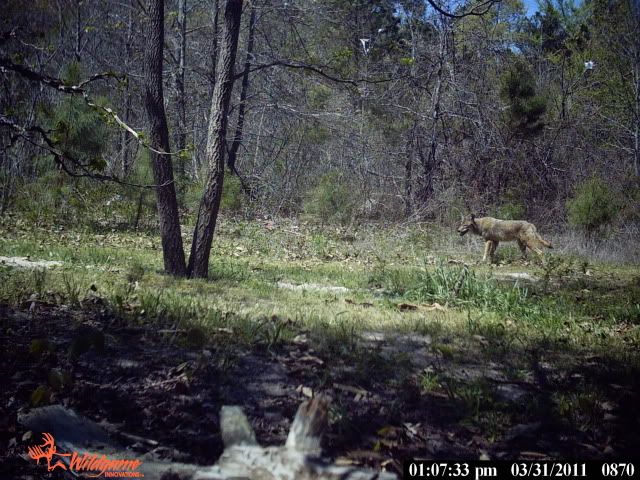
dutchringdog wrote:Judith, fantastic shots!!!!!!! i love all of the different animals in one spot.
Thank you! But I could certainly have done without the pigs .

(next shot showed at least two babies at her side)
Thats very interesting about the breeding info, I wonder if the brindle in the DS was for the same reason.
Not very likely, no. They were guard dogs, homestead dogs, herding dogs, but nothing that required for them to remain unseen. (if you disregard a few poachers) I think the most likely reason for brindle was, that from all the colors in the genenpool of the continental shepherd (that was the basis for the GSD first then a few years later the Belgian shepherds and last but not least, the Dutch Shepherds) the only shade not taken yet was brindle.

Black and tan, solid black, and sable for the GSD. Fawn short, wire and long hair and black long hair for the Belgians. Leaves brindle, blue and 'chestnut'. The (early) DS's allowed chestnut/auburn for the long hair. I am not sure if it was bb brown (like a chocolate labrador) or just a dark fawn (like some Tervurens nowadays?) If it was bb brown, they could not meet the requirment for a dark nose (always red in a bb) and they might have dropped it for that reason. Brindle remained the only accepted color, with blues in the wire haired variety.
Raven wrote:Isn't one of the (many) reasons why DSs are liked for military tactical work is their inherent ability for camo?
Maybe that could be considered the icing on the cake. The best reason is the workability and longevity. In the DoD 'superdog' breeding program, they like the brindles because they are easy to place in case the program has to wash them.

Much easier than Malinois, they say. Go figure. Of course, I'd like to think that there is no need to wash them out....


 Facebook page.


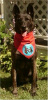

 ), but my DS's coat is not really dark, so she blends in perfectly with the leaves, so you can hardly even see her sometimes.


 Judith Van Neerland Dutch Shepherds
 .
. Novelty rocks!

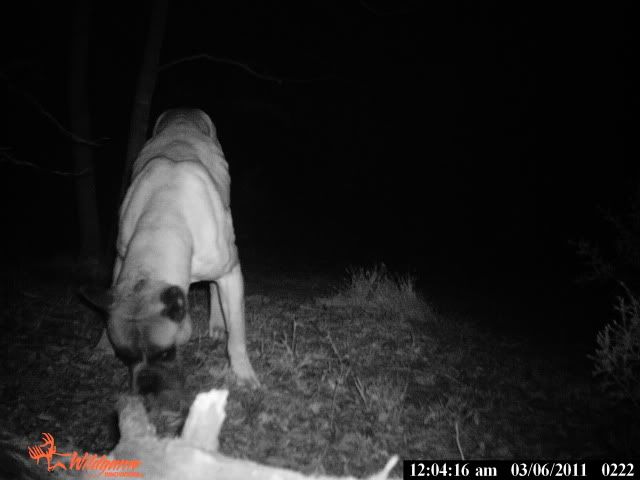
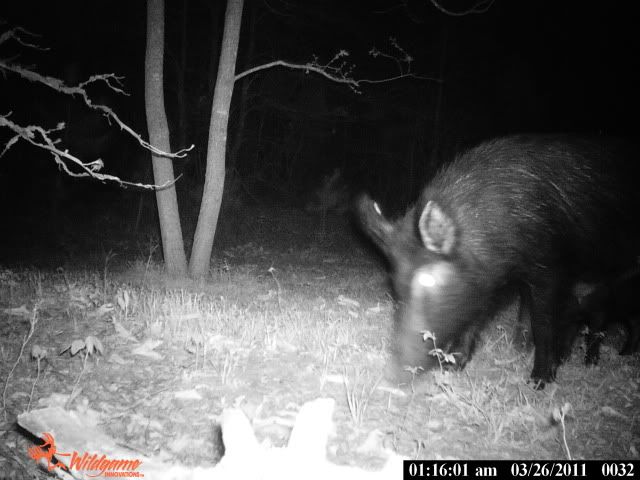
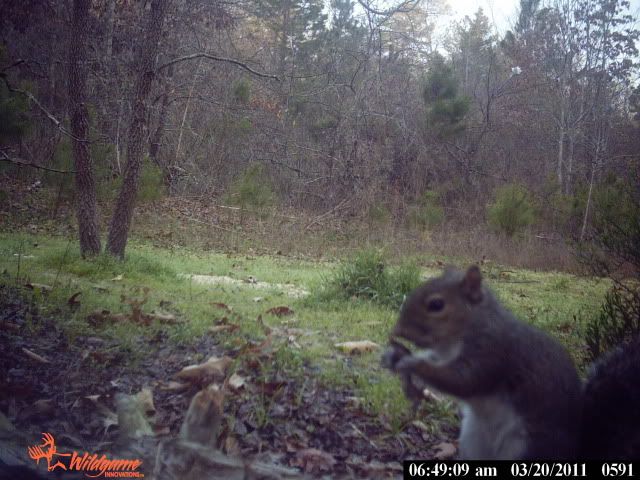


 There's no dog in the pic...duh...